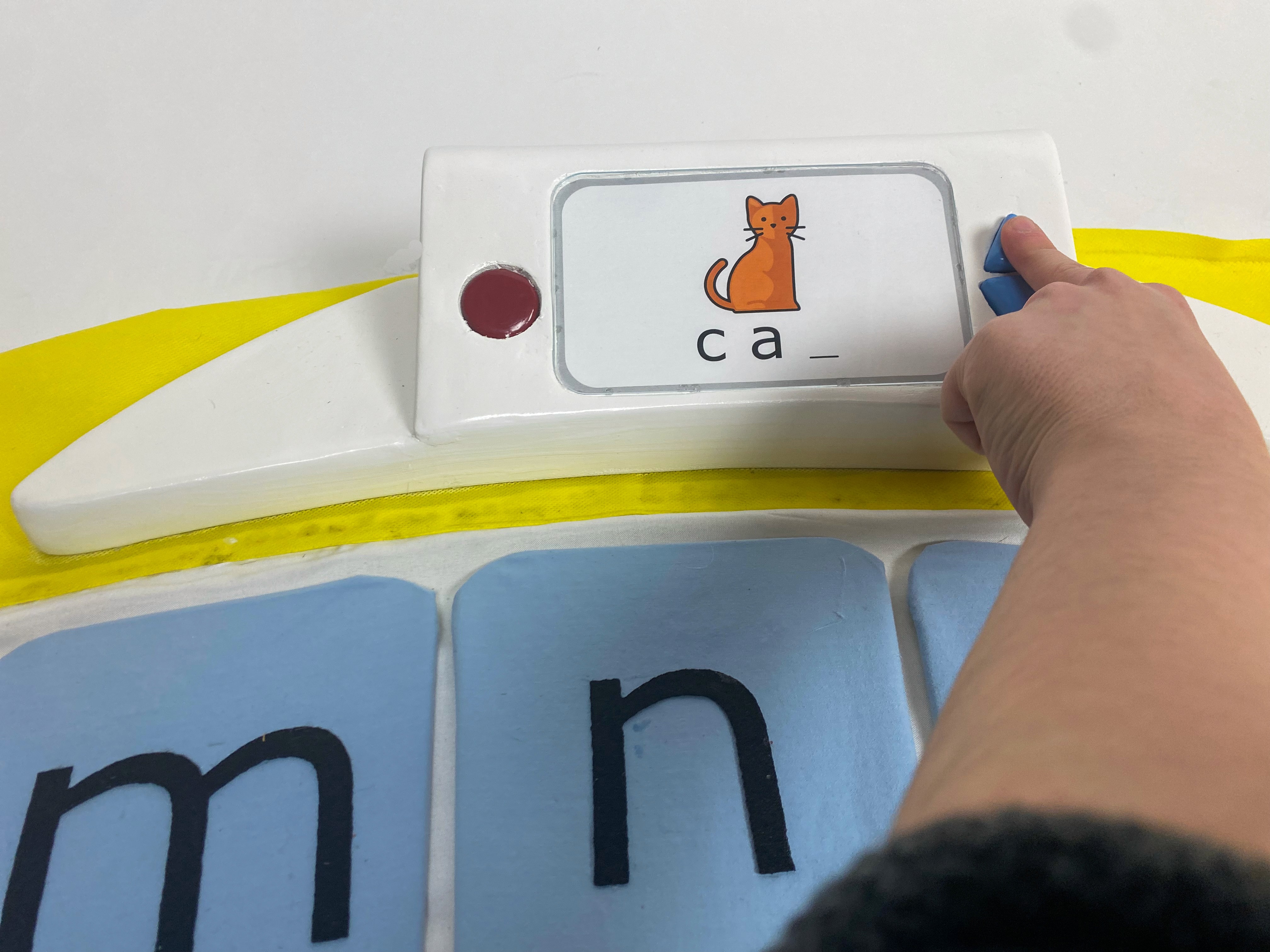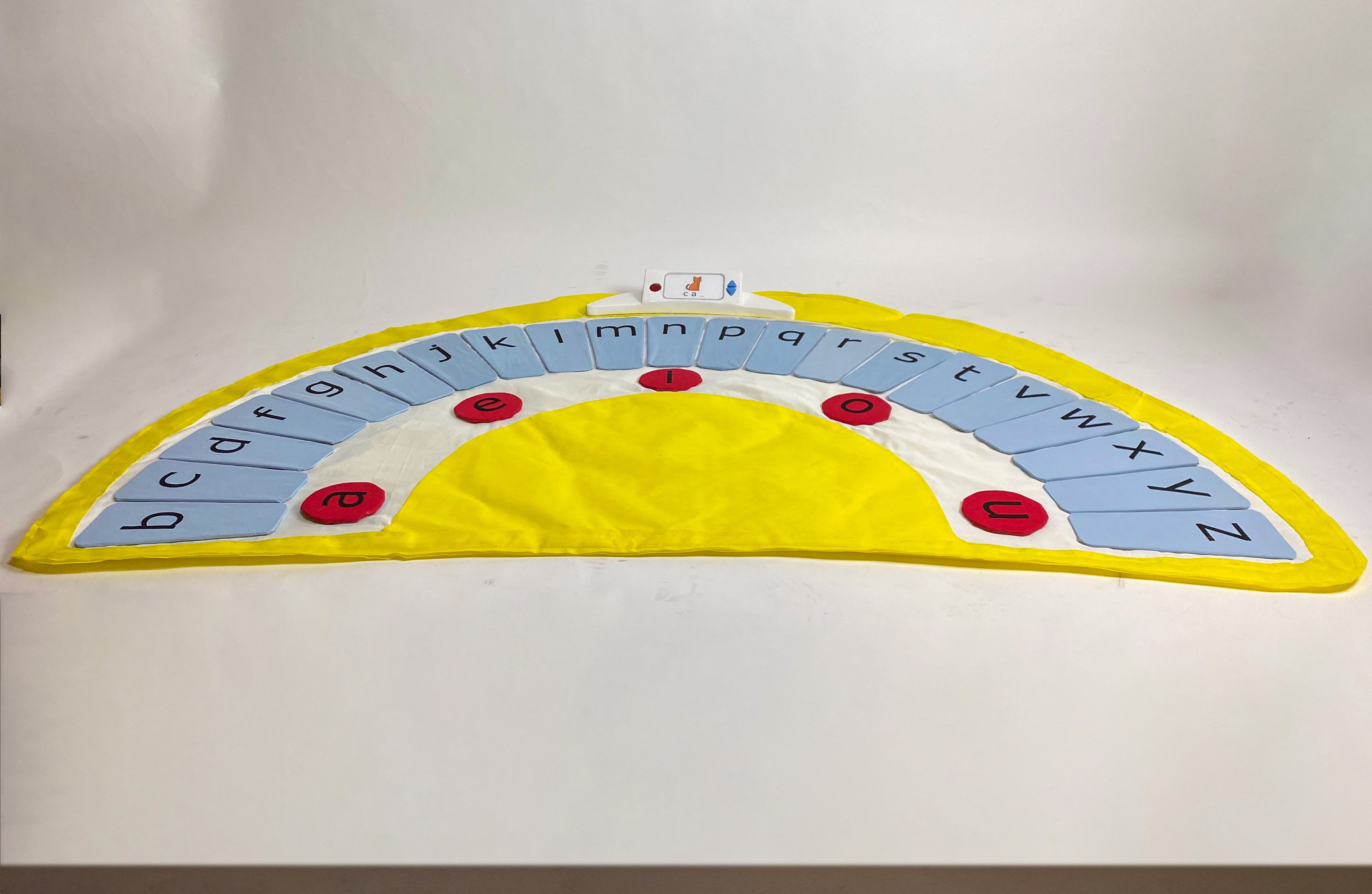
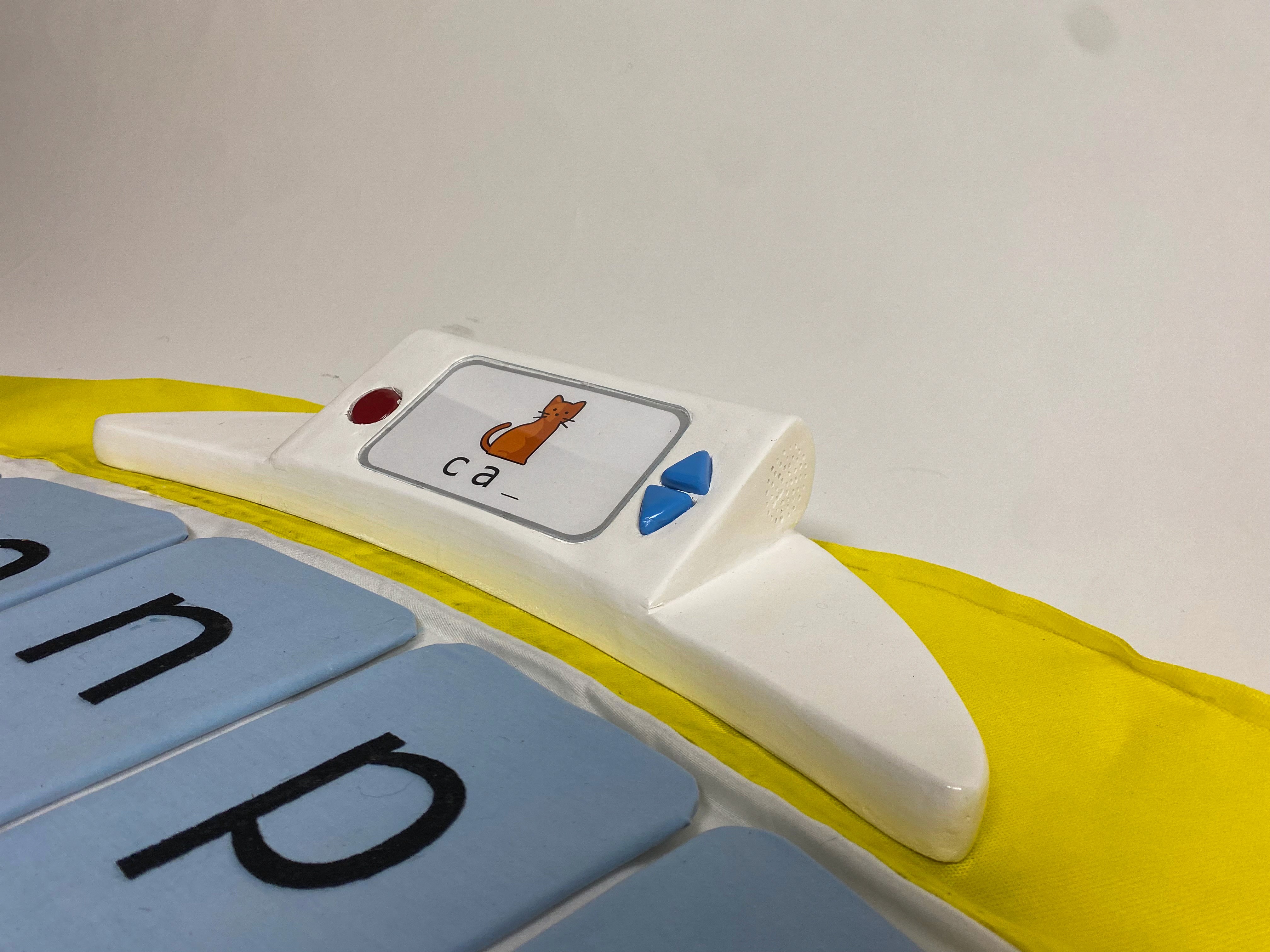
Project Goal
Design a toy for children ages 5 and up with dyslexia that teaches phonological awareness in a fun, engaging way.
Background Reserach
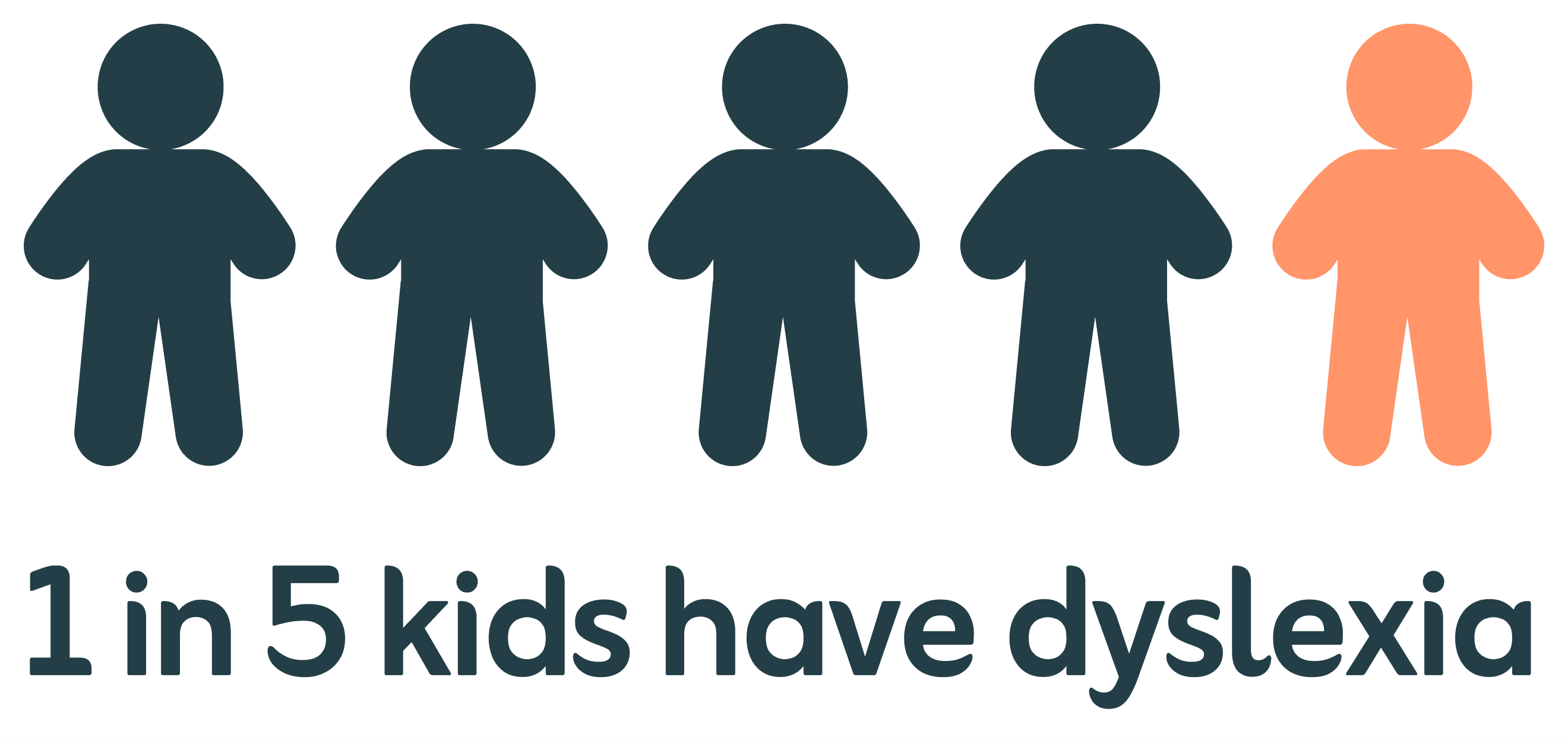
Dyslexia is a lifelong neurological disorder that causes difficulty decoding a language's phonological components. Kids with dyslexia struggle with word recognition, spelling, reading, and decoding. Children may begin to show signs of dyslexia around the age of 5.
Teaching Strategies
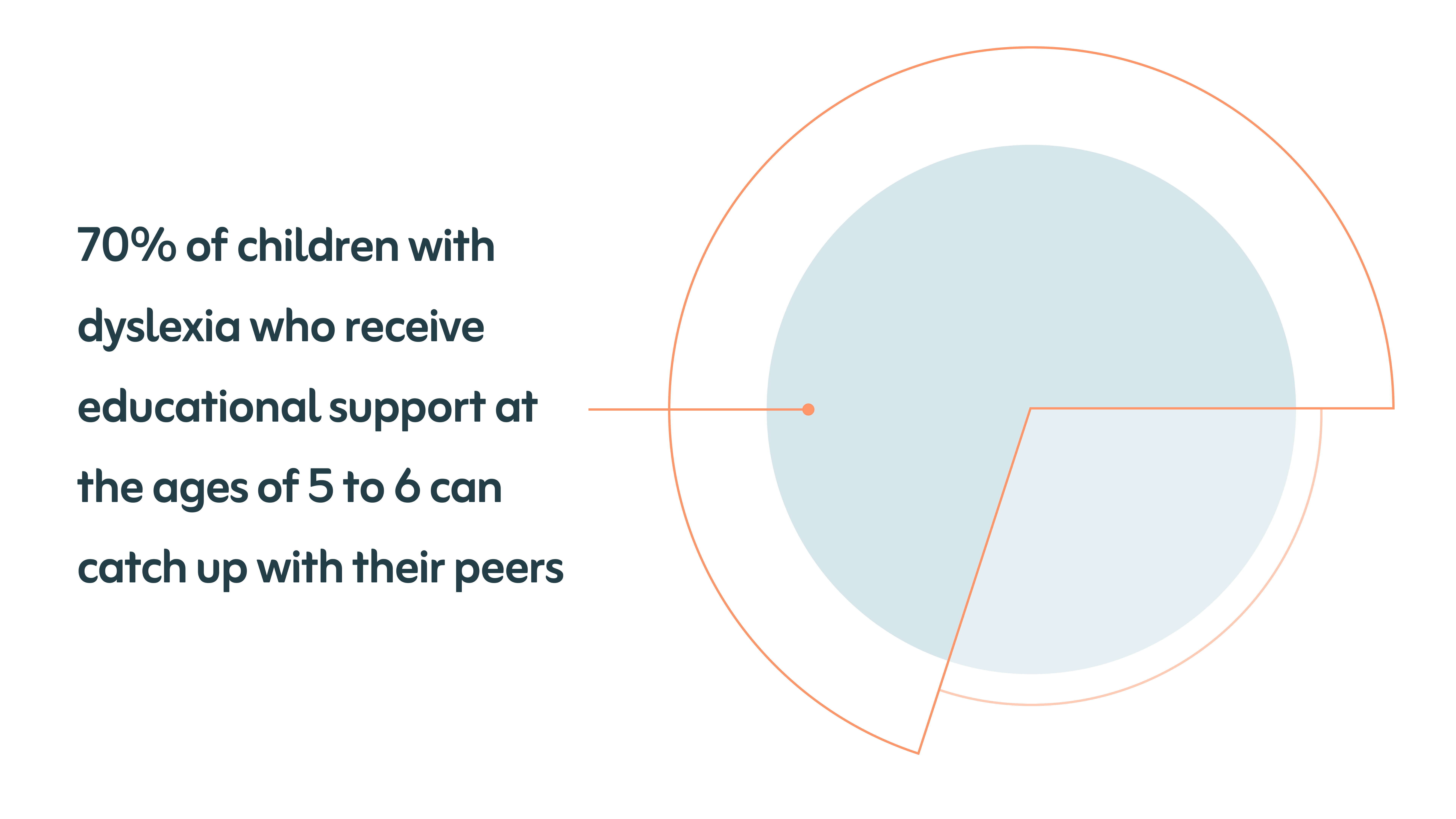
Proper teaching and intervention methods can help strengthen a child with dyslexia's ability to process sound-symbol relationships and language.
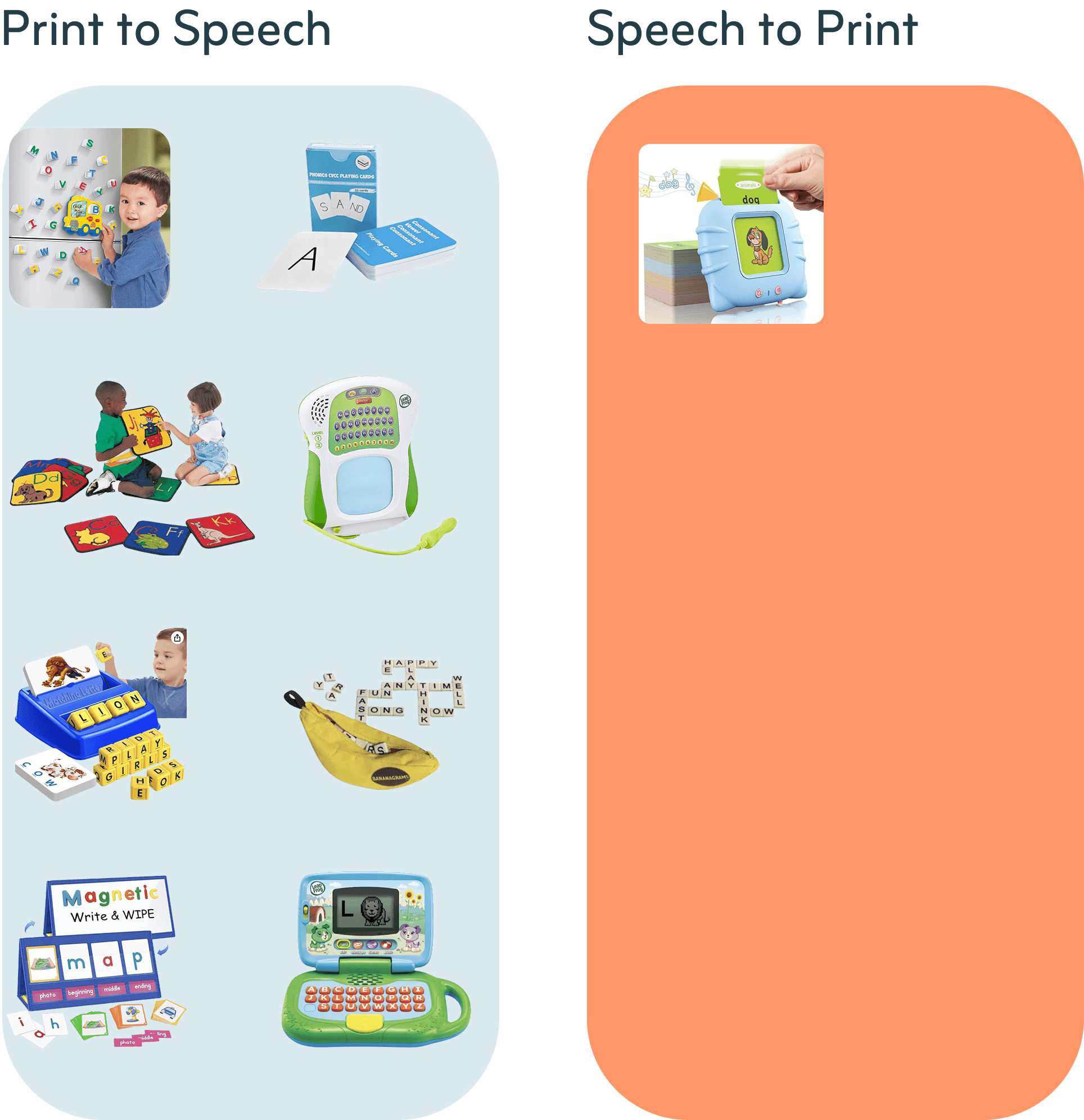
However, educators typically teach phonological components using print-to-speech, where a word is written and then sounded out. The issue is that the human brain isn't wired to understand written language in a phonological context. For kids with dyslexia, connecting letters to sounds takes extra effort.
While several alternative teaching methods exist, the current toy market lacks phonics awareness toys that support the most effective methods for teaching kids with dyslexia.
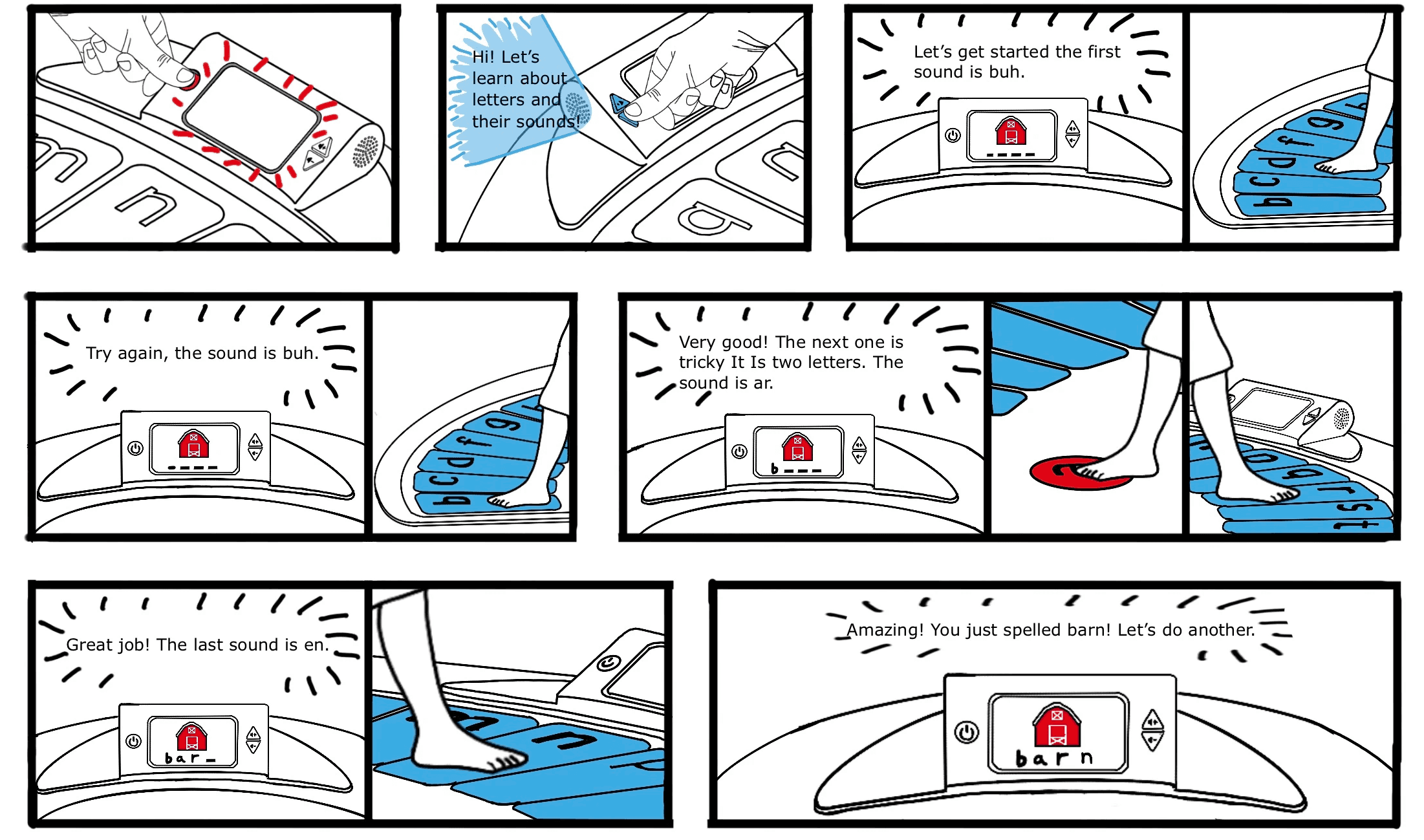
This method introduces verbal cues first and then translates them into written words and letters. This approach aligns with how the brain naturally understands spoken language.
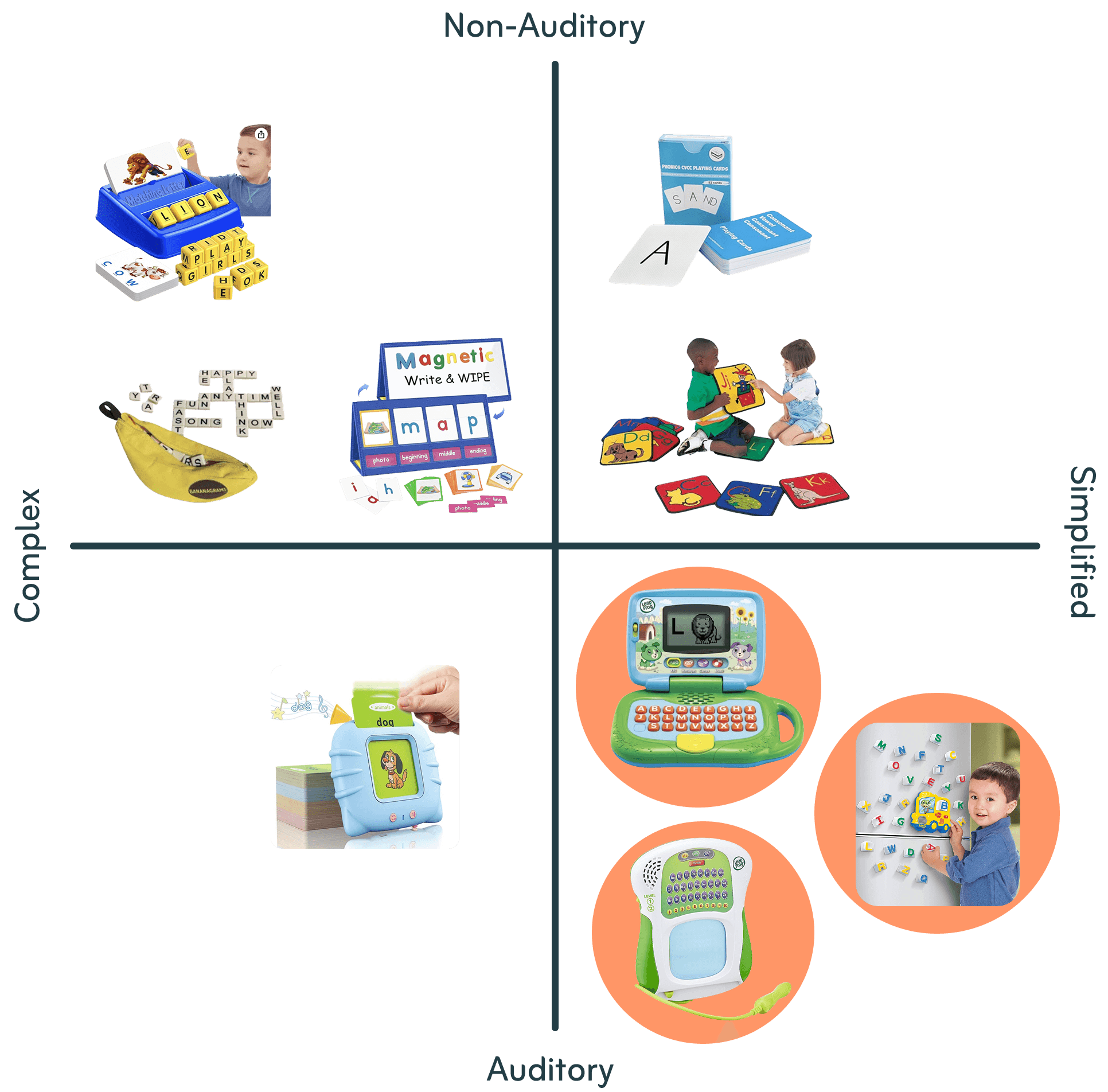
This method simplifies the English language. For example, it uses lowercase letters and emphasizes each letter's sound rather than its name.
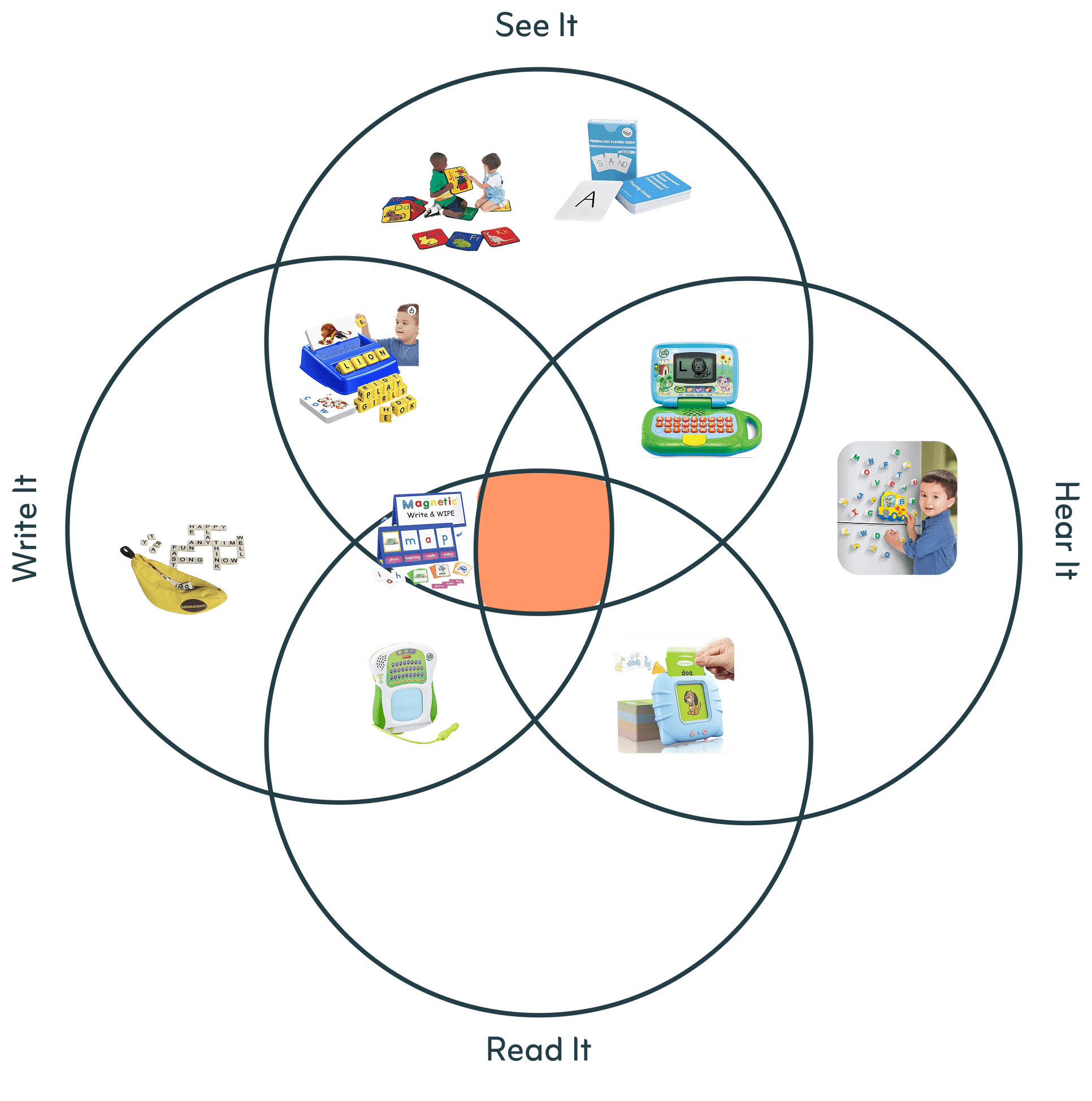
This method engages all the senses, so the kid sees a visual representation of the word, hears it, spells it, and reads it. It is one of the most effective approaches.
Ideation Sketches
Choosen Concept
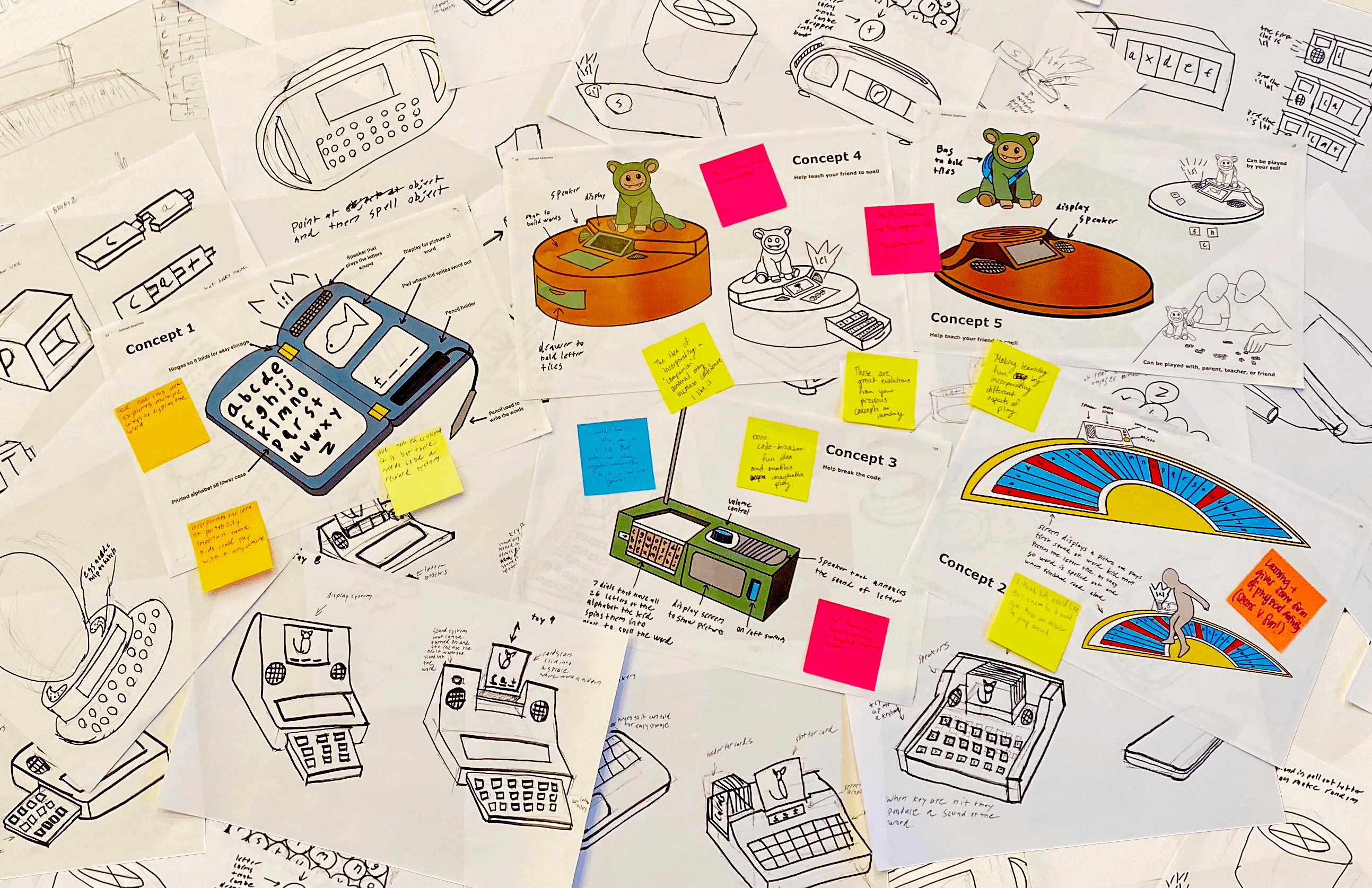
Several concepts were presented to an elementary school teacher who specializes in working with kids who have dyslexia for feedback.
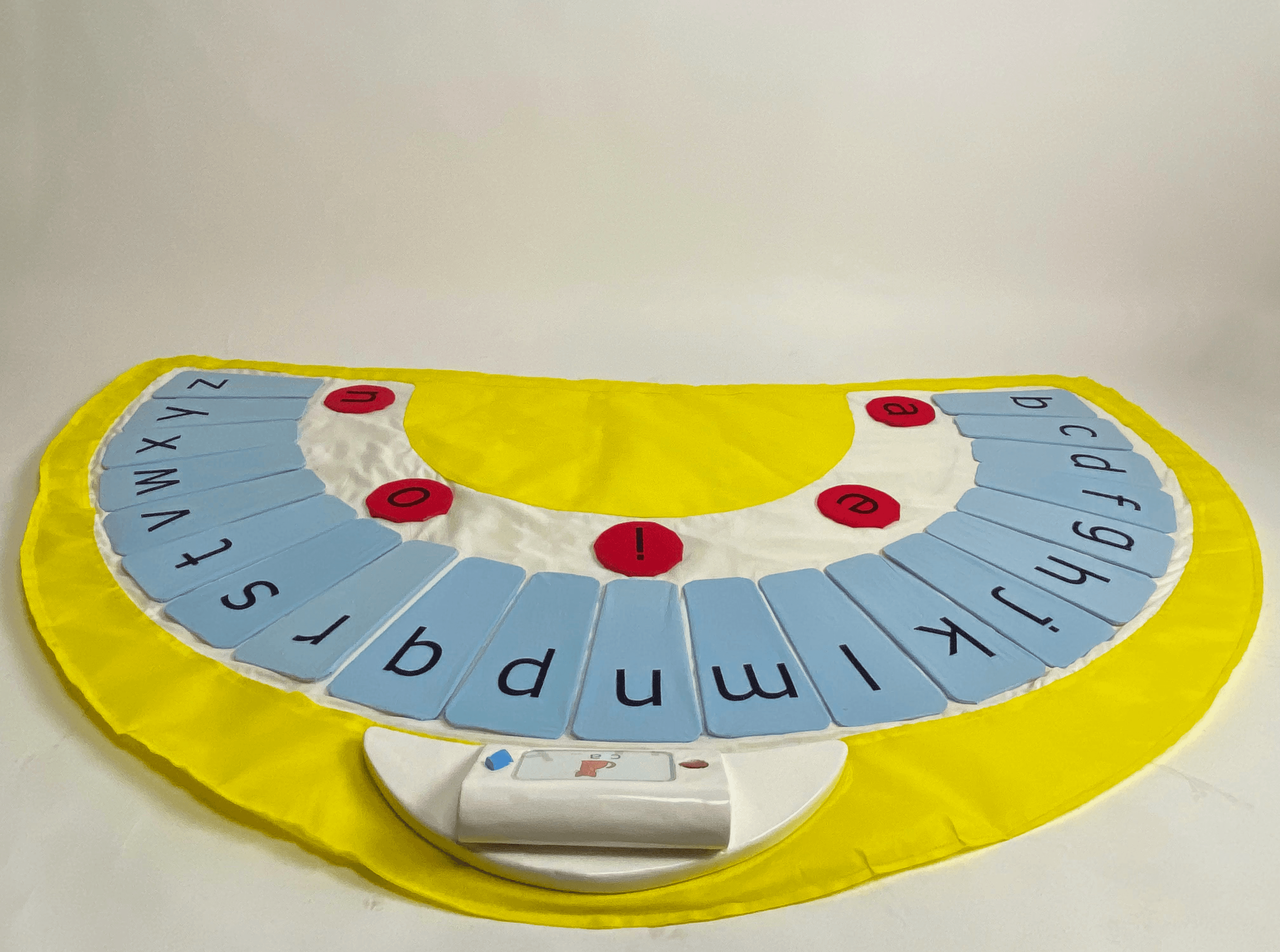
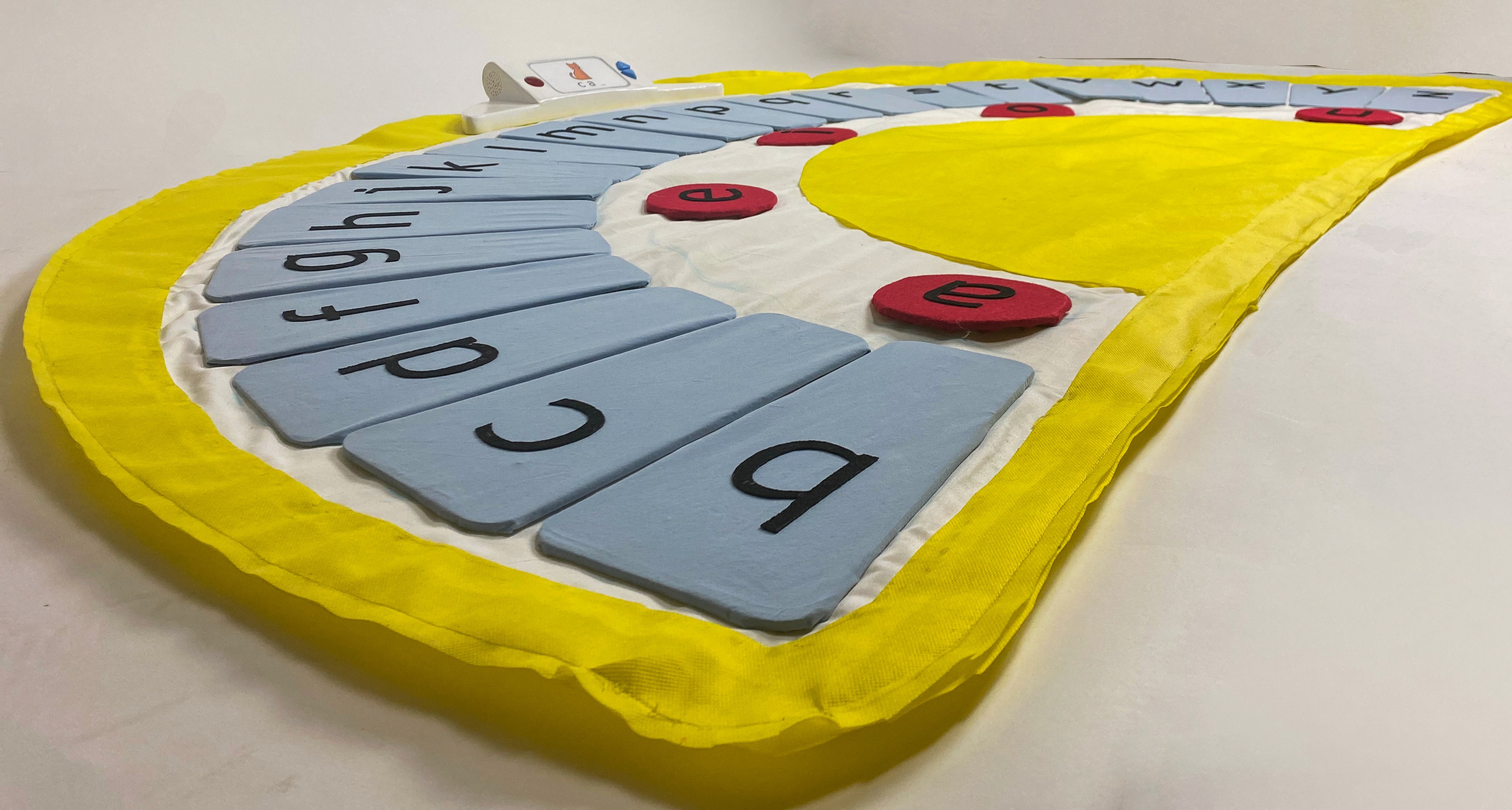
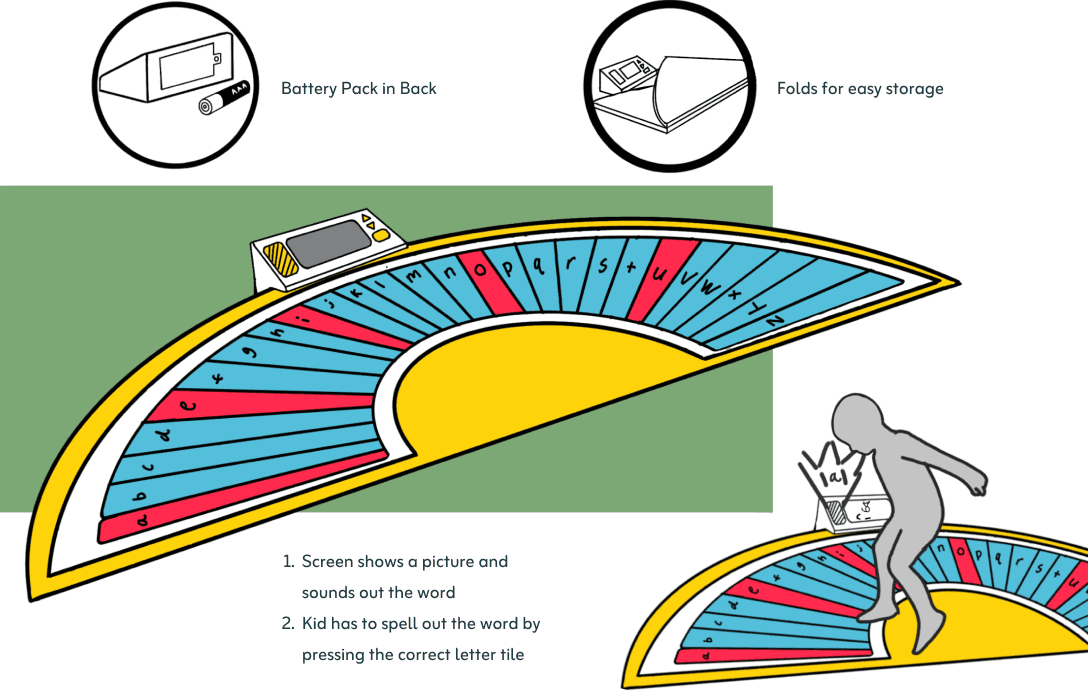
Overwhelmingly, the response was in favor of a tactile floor mat. The reasoning is that most available tools are for stationary desk work, and kids who find spelling difficult may be unwilling to sit down and engage with toys based on an activity that feels challenging and frustrating. The full-body movement aspect would be more engaging and would distract from the challenge.
Prototyping
Low-Fidelity Prototypes
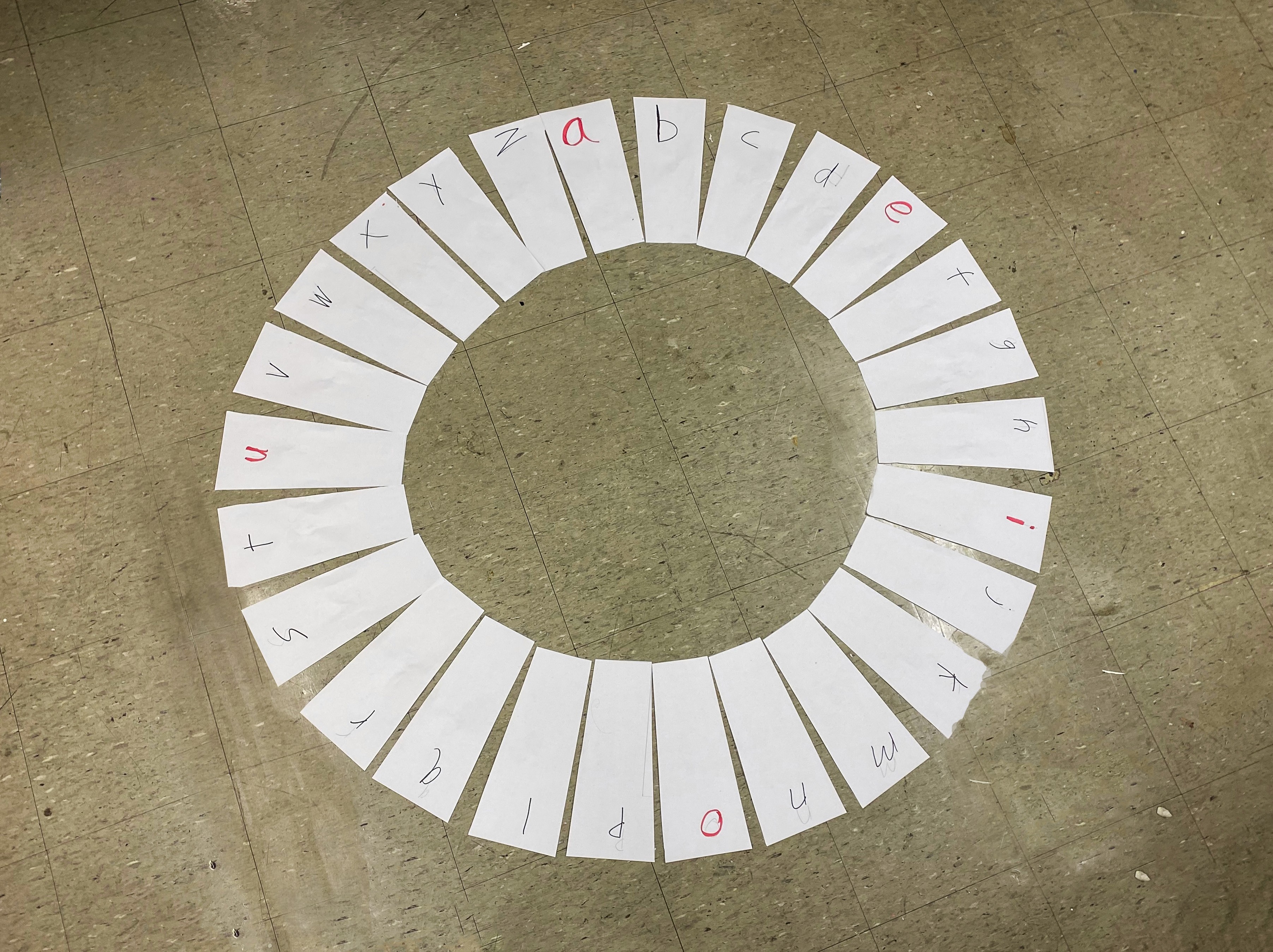
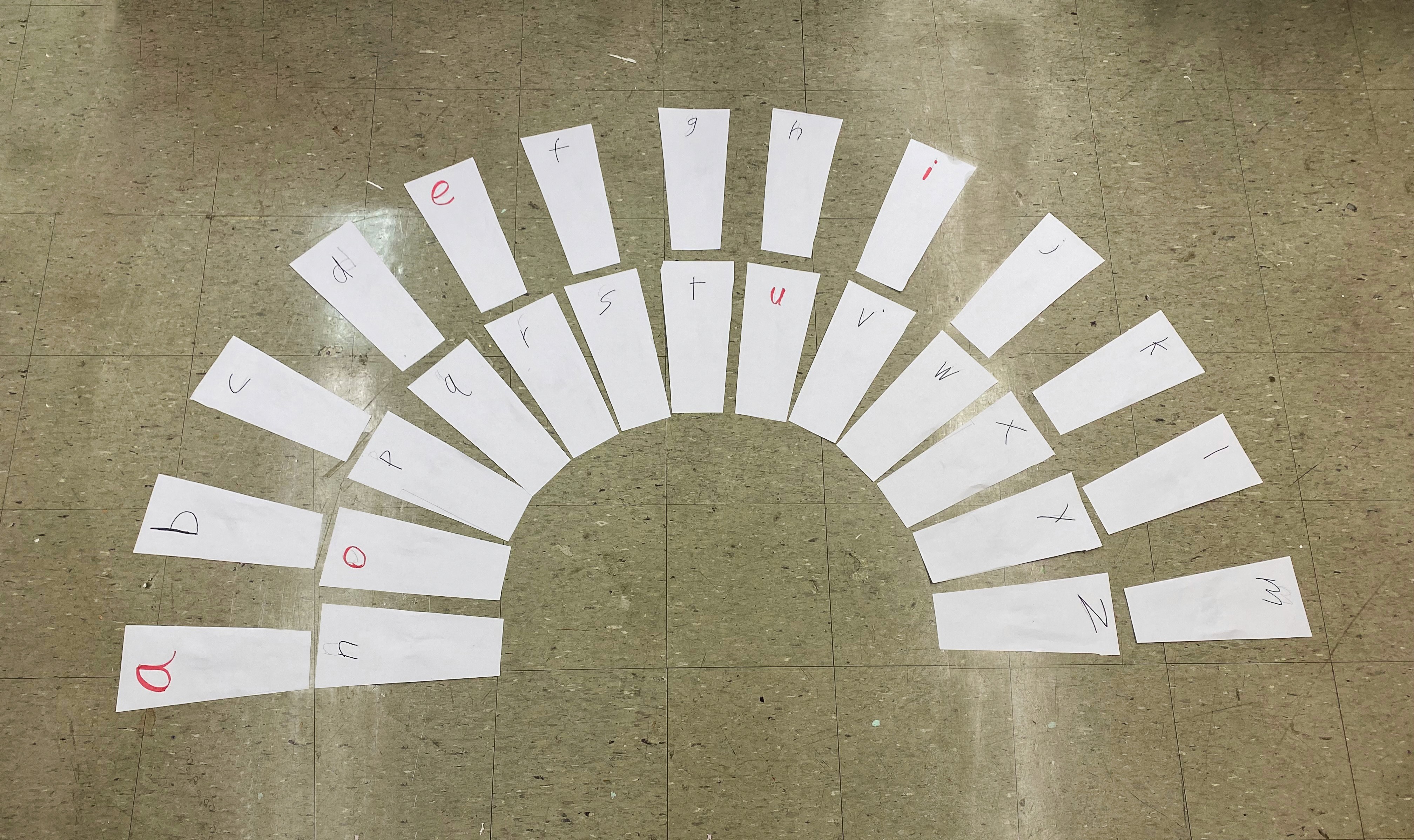
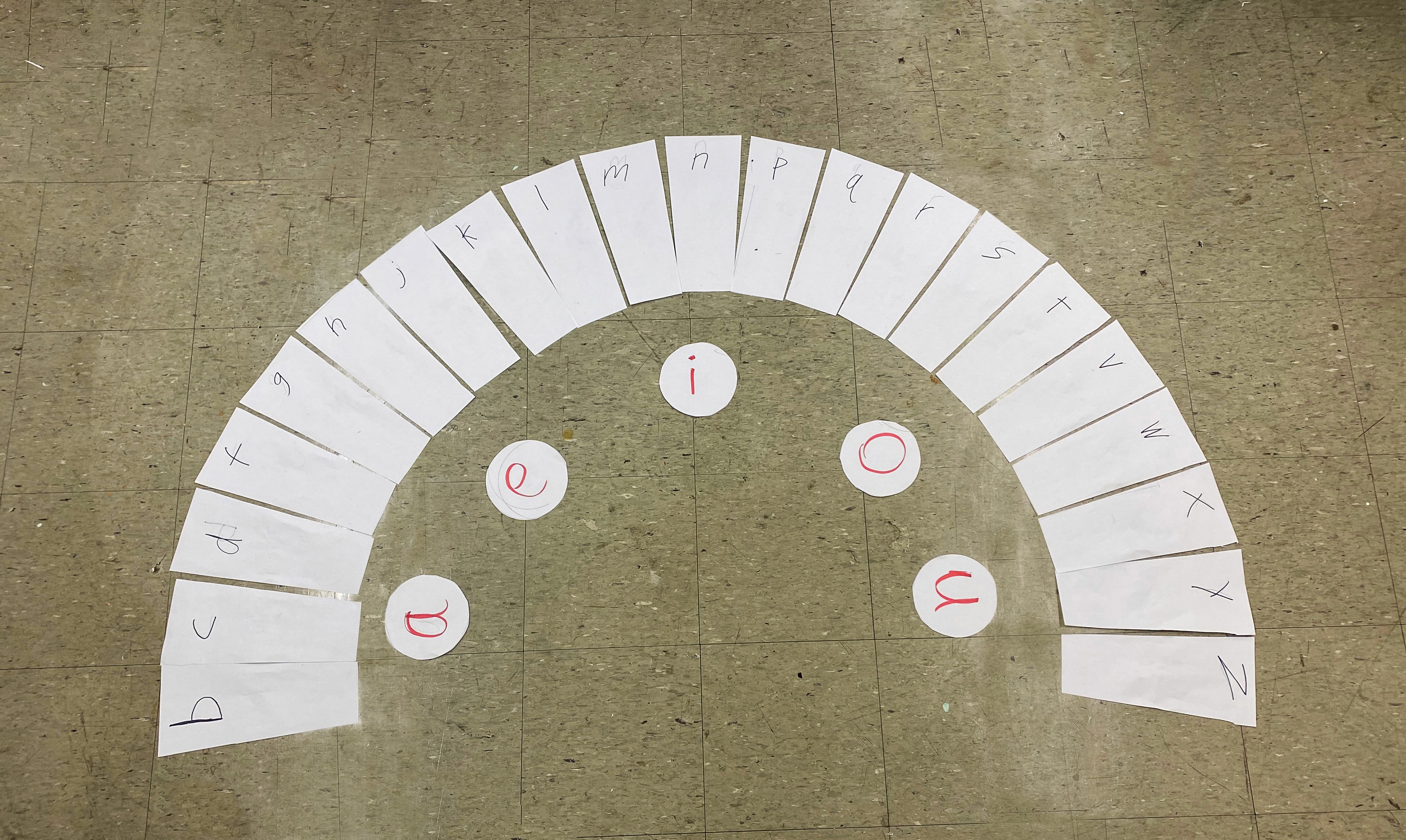
Mid-Fidelity Prototype
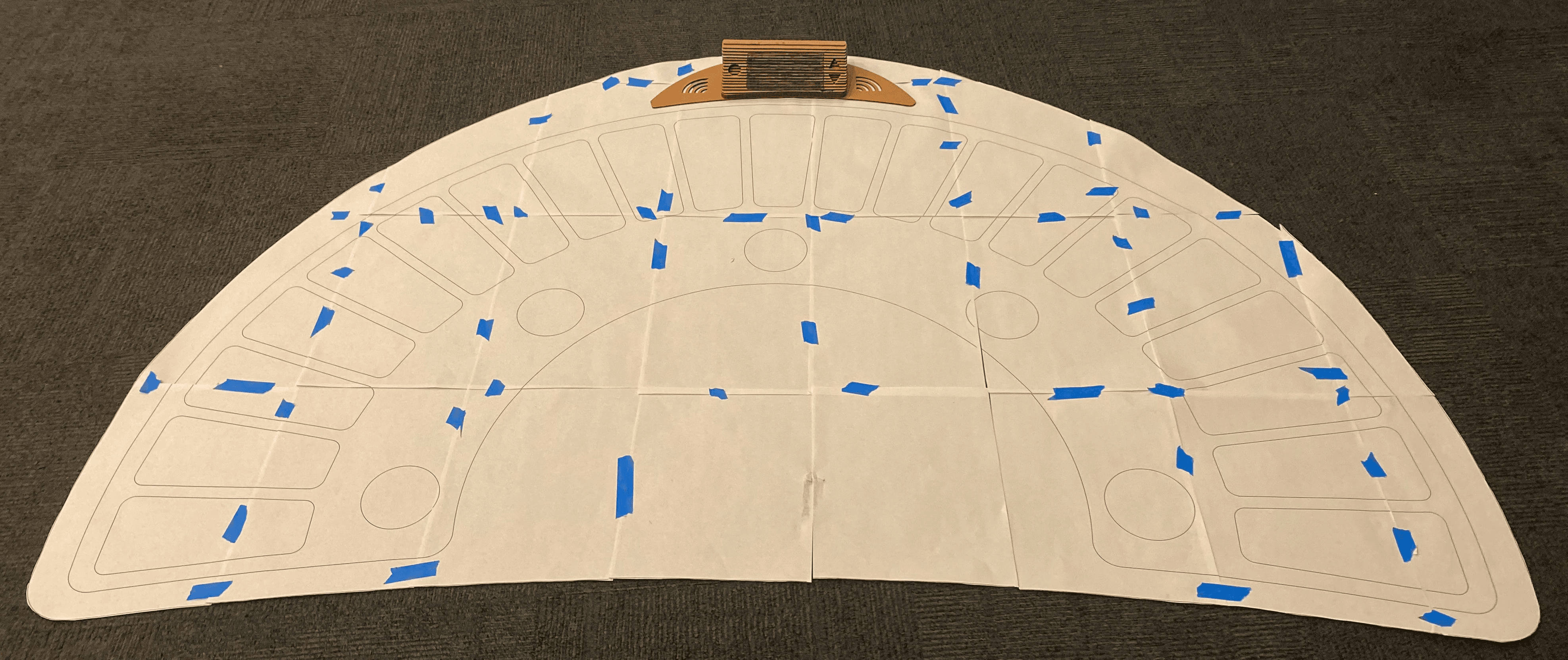
Final Design